Events and congresses. News. Sustainability.
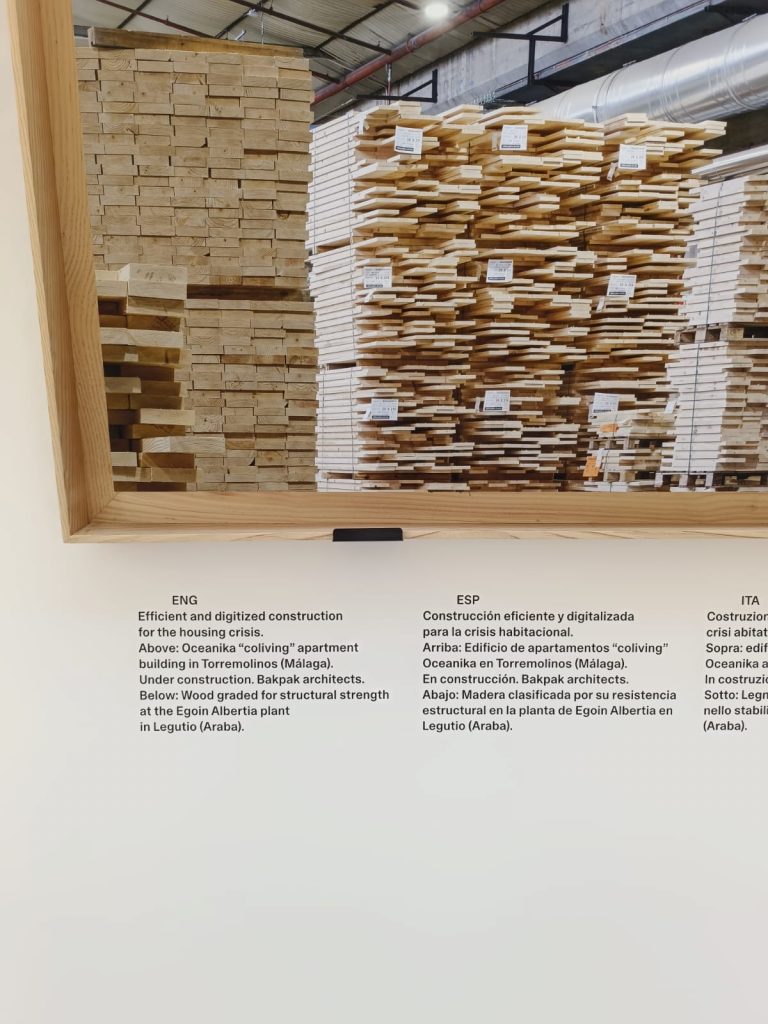
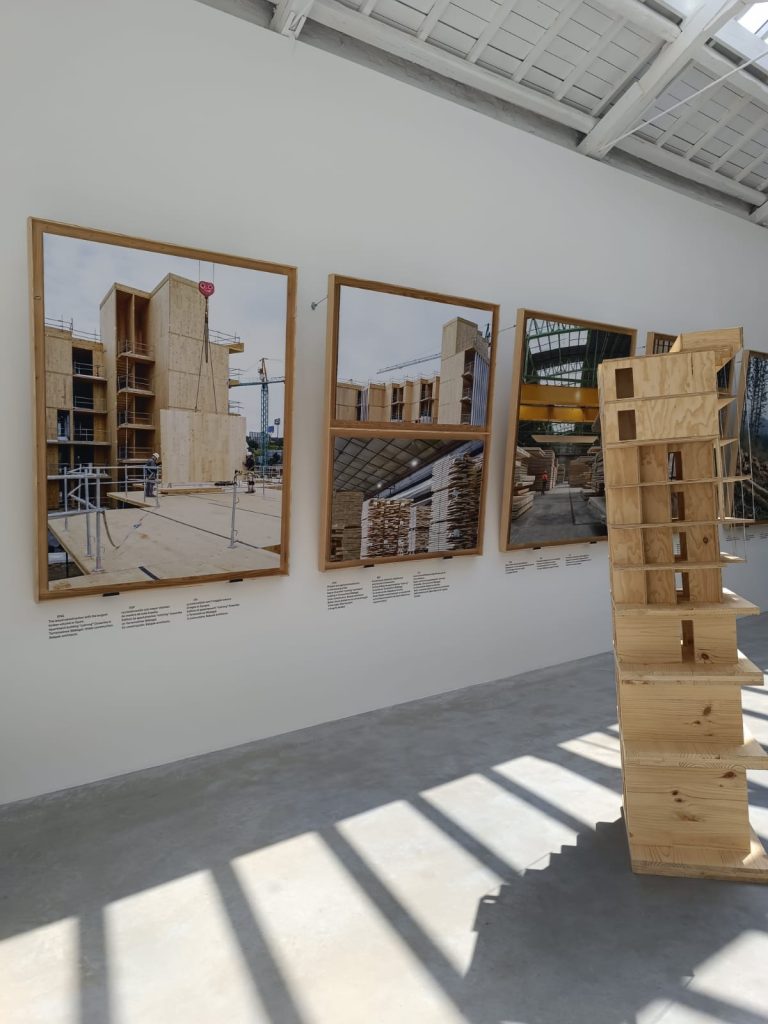
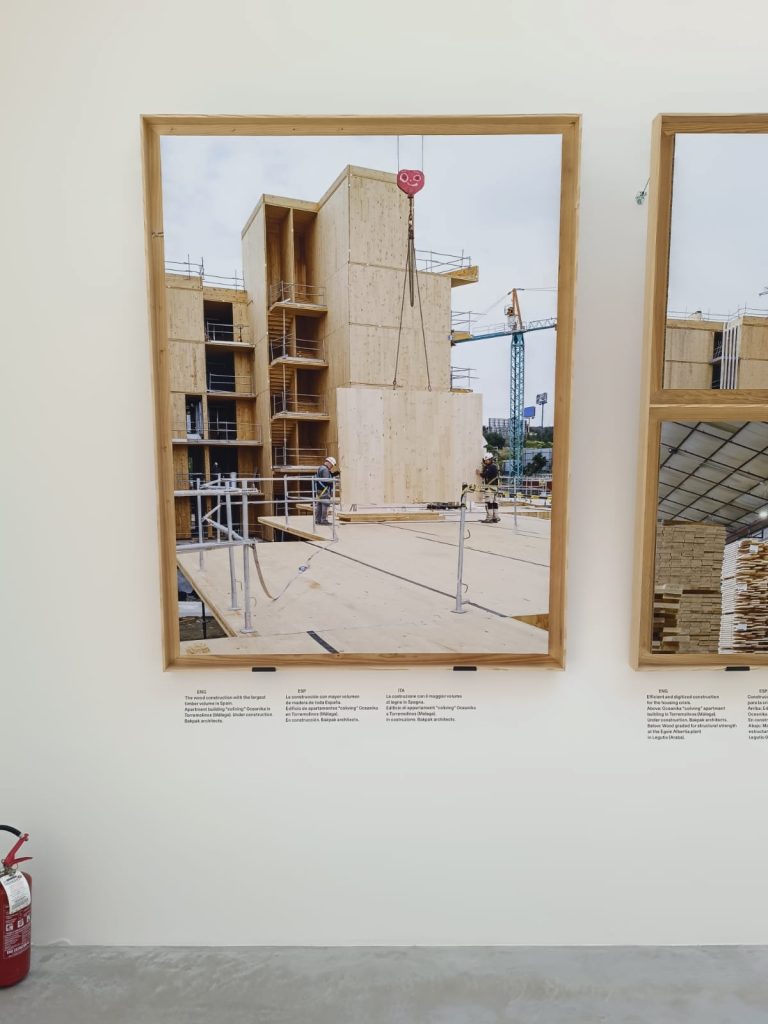
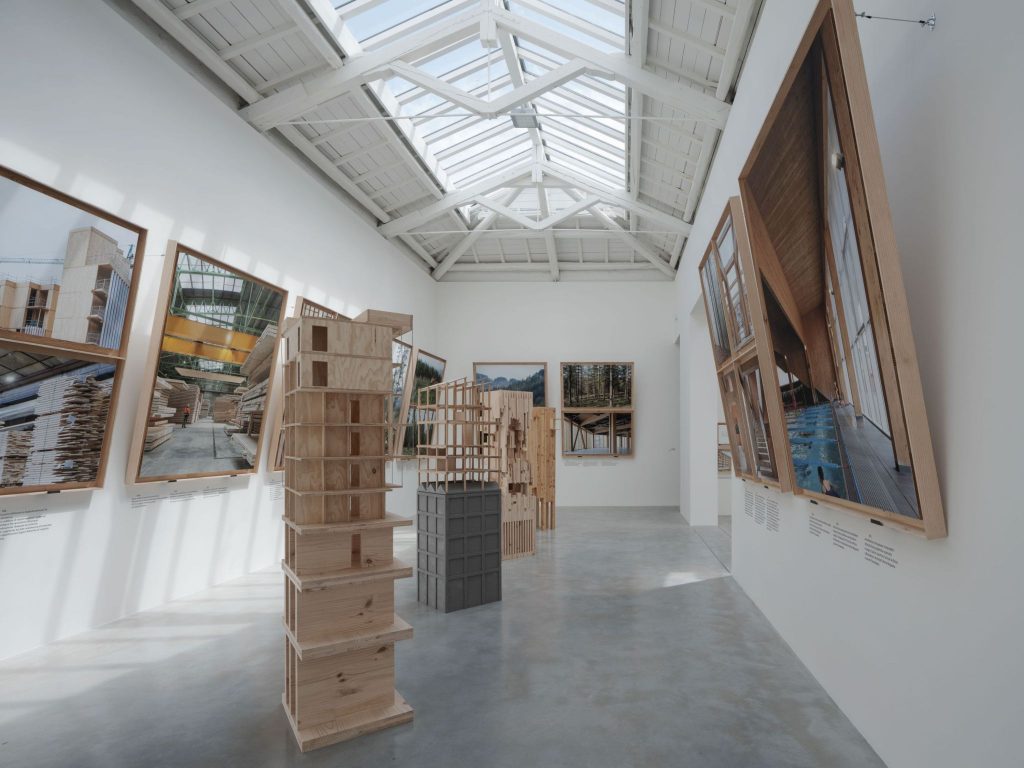
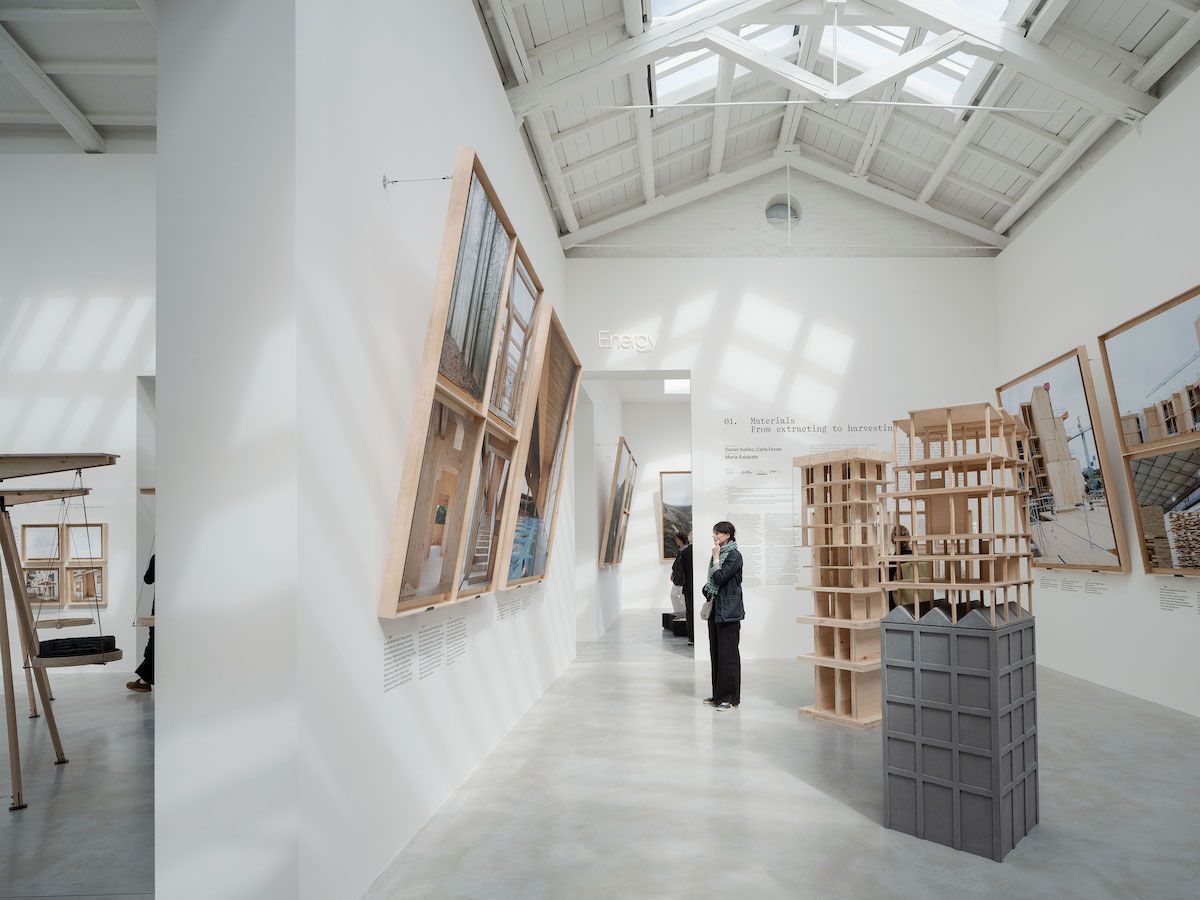
For Bakpak Architects is proud that our project Oceanika - an innovative sustainable residential complex in Malaga, realised together with EOVASTUDIO - has been selected to form part of the 19th Venice Architecture Biennale 2025 and is on display in the Spanish Pavilion. Have been chosen to be part of one of the most important international events in the field of architecture.The new building, which was built in the year 2000, demonstrates the relevance of our commitment to sustainable and avant-garde architecture.
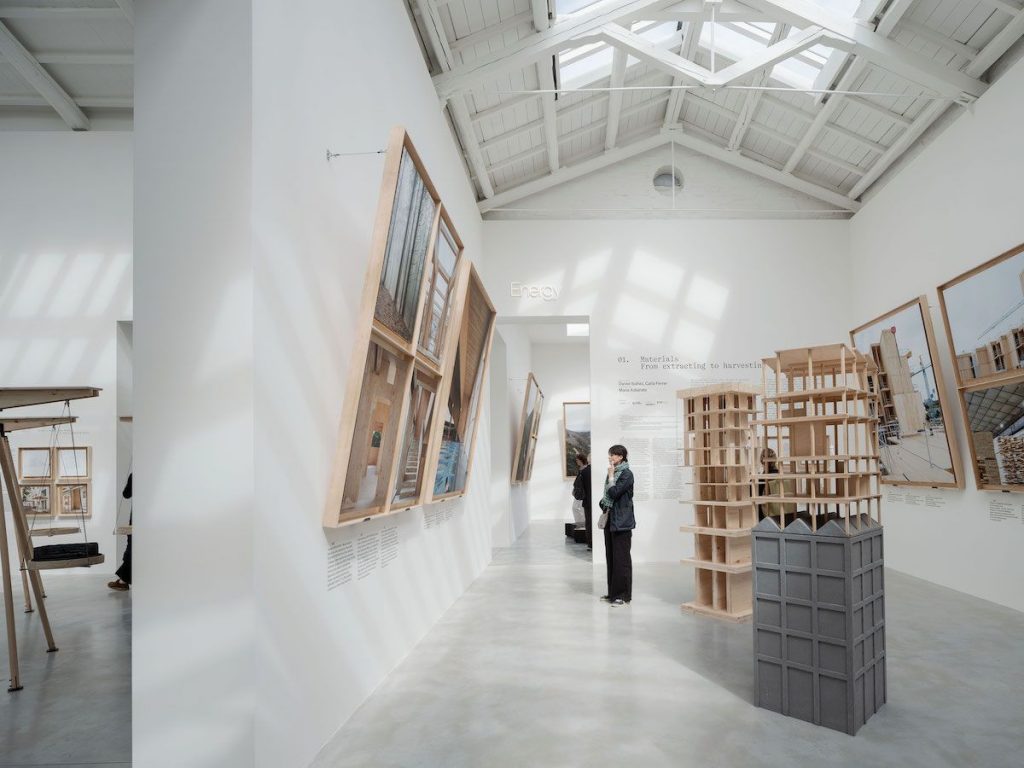
The Venice Architecture Biennale 2025 celebrates its 19th edition by exploring the future of architecture with a focus on sustainability and the fight against climate change. The proposed overall theme of the exhibition is "Intelligens. Natural. Artificial. Collective"a premise that invites us to reflect on the integration of natural and artificial intelligence in sustainable urban design. In this context, the Spanish participation comes with a proposal of the highest level.
Under this title "Internalities: Architectures for Territorial Equilibrium"the Spanish Pavilion - curated by Manuel Bouzas and Roi Salgueiro - explora key strategies for the decarbonisation of architecture in Spain. This national exhibition celebrates how an emerging generation of Spanish architects balances ecology with economy in their projects. At Internalitiesworks are presented that recover local, regenerative and low-carbon materials - with wood, stone, ceramics, cork and earth as protagonists - showcasing innovative building solutions in line with the fight against climate change.
Our Oceánika project perfectly embodies the values of the discourse proposed by the Biennial, sharing space with other leading proposals that demonstrate the commitment of Spanish architecture to sustainability.
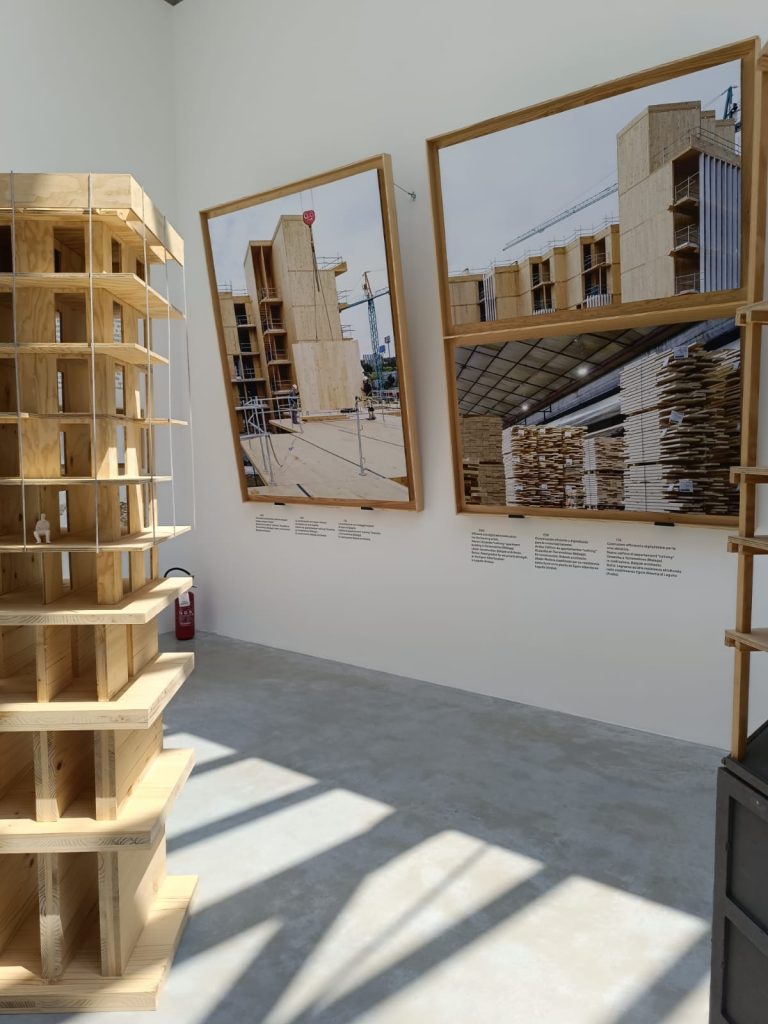
Oceanika set a new standard for sustainable and regenerative architecture in the Mediterranean context. The project not only transforms a derelict plot of land into a lively urban centre, it also proposes a constructive and operational model that is measurable and replicable.
In terms of environmental impact, decarbonisation and regeneration Oceánika substantially reduces the environmental footprint of the residential sector thanks to a fully integrated structural system. made of cross-laminated timber (CLT) from certified forests. This choice emissions, reduces CO₂ in more than 60% compared to traditional concrete or steel systems. The 3,500 m³ of timber used are equivalent to storing emissions and save 3,500 tonnes of CO₂ and save 3,500 tonnes of CO₂. in the building itself, which thus acts as an active carbon sink during its entire lifetime.. This effect is reinforced by the vegetation in the complex, which absorbs carbon, filters pollutants and generates cool microclimates.
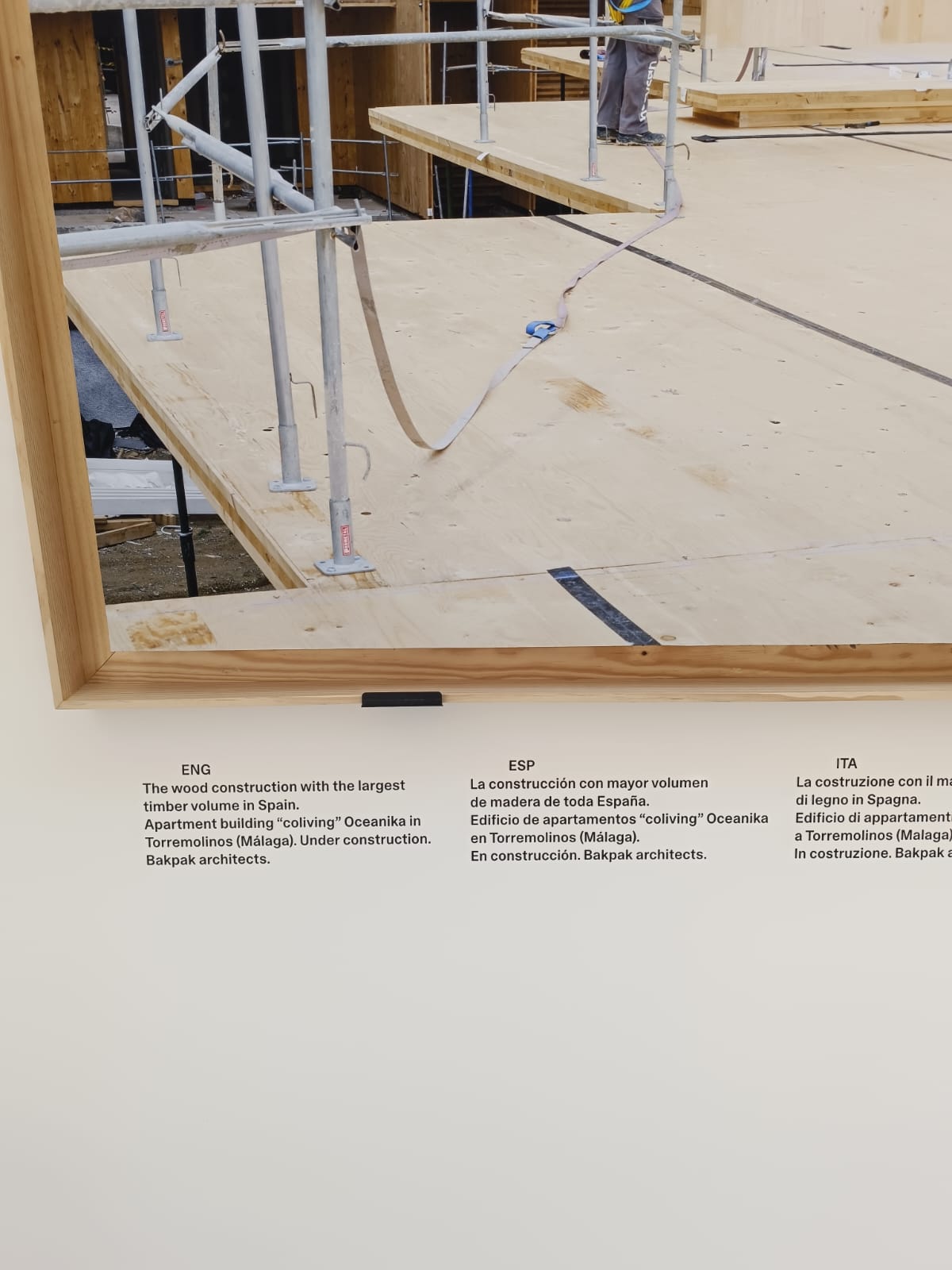
During construction, the industrialised process of dry assembly has reduced site waste by 50%, minimised noise pollution and achieved a 50% reduction in water use. compared to conventional solutions. The precision of modular assembly eliminates waste and shortens the construction schedule by six months, reducing energy consumption and emissions. emissions from transport and machinery.
In the use phase, the complex reaches building standards of near zero energy consumption (nZEB)The combination of passive strategies and highly efficient active systems. Aerothermal heat pumps cover air-conditioning and domestic hot water, while a photovoltaic system on deck generates the 100% of the energy needed for air-conditioning, establishing a clean cycle.. The mechanical ventilation system with heat recovery captures energy from the exhaust air, ensuring indoor environmental quality and thermal efficiency. These measures - together with the north-south orientation, cross ventilation and solar protection through overhangs and louvres - significantly reduce energy demand compared to the CTE 2019 standards.
Landscaping strengthens environmental resilience through indigenous Mediterranean vegetation - lavender, rosemary and grasses - that only requires watering during the first two years. The rainwater harvesting and reusecombined with low-maintenance species, makes Oceánika a benchmark for water efficiency and urban biodiversity. The complex functions as an urban green infrastructure, mitigating the heat island effect, improving soil permeability and generating habitats for insects and pollinating birds through insect hotels and shelters integrated into the architectural design.
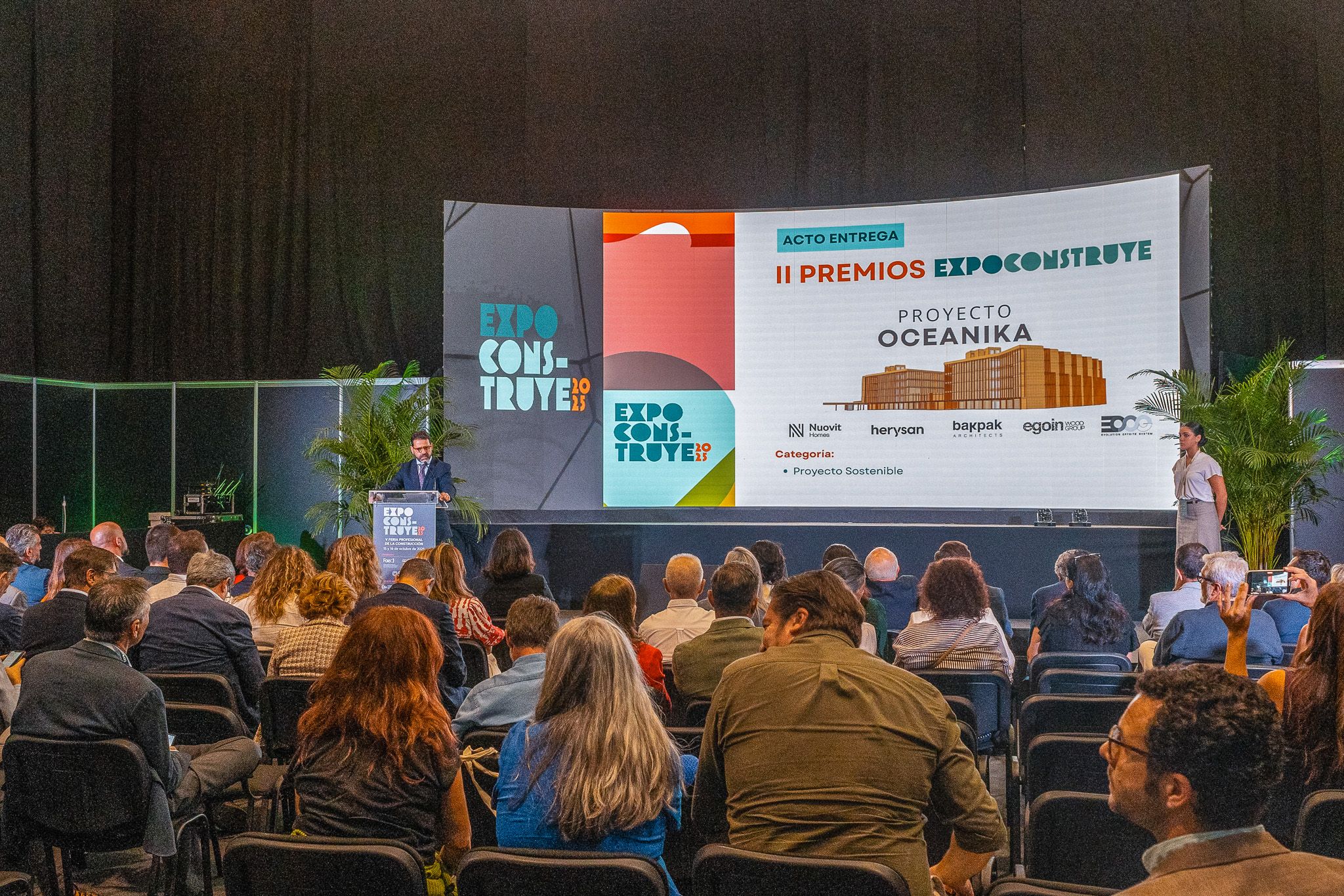
All of this has earned him prestigious awards such as the Rebuild 2025 Award in the category Timber Construction or the Expoconstruye Sustainable Project Award.
More images and details on Oceanika on our website.